
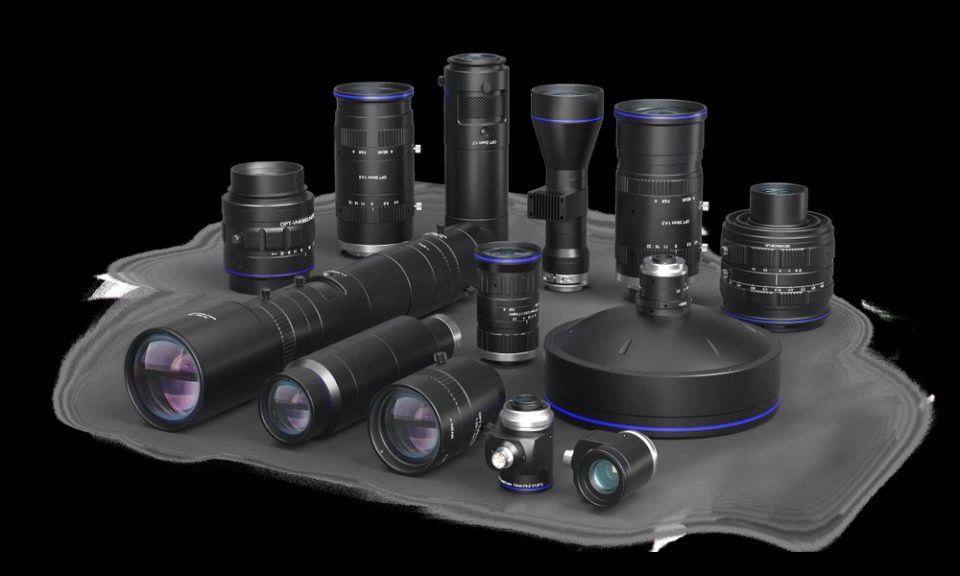
Key Takeaways
Choosing the right machine vision lens isn’t something to take lightly. It’s all about evaluating important factors like focal length, which plays a role in how far you can be from objects while still capturing them effectively and the field of view your application will have.
Aperture size is another key player. It impacts how much light your lens can take in, directly affecting depth of field; larger apertures are perfect for low-light conditions, while smaller apertures enhance depth of field, ensuring sharper images.
Specifications like distortion levels and resolution shouldn’t be overlooked; these metrics can make or break image quality and the success of your application.
Don’t forget compatibility between your lens and camera; mismatched mount types or sensor sizes could mean a complete waste of resources and frustration.
Environmental factors, such as temperature and humidity, should guide your lens choices; having protective coatings and dust resistance can greatly improve performance and longevity in tough conditions.
When budgeting for machine vision lenses, think strategically; investing in quality components can save you significant costs later on by avoiding delays and project failures.
Lastly, consider the total cost of ownership, which includes maintenance and potential replacements. Evaluating long-term investments is just as crucial as focusing on the initial purchase price.
Choosing the Right Type of Machine Vision Lens: Essential Factors
So, as you’re gearing up to select the perfect machine vision lens, remember: it’s a serious decision. A whole range of factors comes into play, and missing just one can really hurt your performance. Let’s explore these essential elements – getting them right can save you a ton of hassle, time, and cash.
Understanding Focal Length: How It Affects Your Setup
Focal length is a critical element; it dictates not just how far you can capture objects, but also the amount of the scene that fits into your frame. Some might think a longer focal length is the way to go, but that’s where many slip up. A shorter focal length gives you a broader field of view-ideal for situations where you need to capture a wider area.
In reality, selecting the right focal length depends on your specific needs. Are you going to be inspecting little parts closely or looking at larger objects from a distance? For instance, a 25mm lens offers a different viewpoint compared to a 100mm lens. If you keep swapping out lenses, it’s only going to cost you time. Make your choice carefully.
- Wide angle (short focal length): Best for capturing large areas.
- Standard (around 50mm): A balanced choice for various tasks.
- Telephoto (long focal length): Excels at detailed inspections from further away.
So, match your selection to your application’s objectives. Don’t let anyone convince you that one size fits all-it definitely doesn’t.
Aperture Size: Why You Can’t Ignore This Detail
You might think aperture size is a minor detail, but don’t underestimate its significance. It’s huge when it comes to image quality and lighting conditions. Simply stated, a larger aperture allows more light to reach the sensor, boosting performance in dark settings. But there’s more-this also impacts depth of field.
What does that mean? A smaller aperture yields a deeper field of focus, which is essential for applications that need sharpness throughout a broader area. On the flip side, a larger aperture sharpens specific details while softening the background-think fine art, not industrial shots.
- Large aperture: Excellent in low light, produces shallow depth of field.
- Small aperture: Great for depth of field, typically not the best in dim lighting.
- Balanced aperture: If you’re unsure, settling for something in the middle might be best.
Be thorough when checking specifications. Even a slight change in aperture can yield significant consequences.
Common Pitfalls When Selecting Machine Vision Lenses
Even those with a lot of experience can stumble when it comes to picking machine vision lenses. You’d think it would be a straightforward task, but as choices pile up, confusion often sets in. I’ve seen projects falter due to overlooked details. Let’s sift through this.
Avoiding the Overlooked: What Most Buyers Miss
Specs aren’t just numbers; they’re fundamental to the success of your project. Buyers can get so fixated on brand names and price tags that they overlook the specifics. For example, distortion levels can differ greatly from one brand to another, and yet that often gets ignored.
Here’s what you really ought to keep in mind:
- Angular measurement: Understand how the lens influences the overall view.
- Distortion levels: Knowing about barrel vs. pincushion distortion is essential.
- Resolution: Make sure it measures up to your standards.
Don’t let the market noise distract you. Pay attention to how these specs align with your real needs. Be thorough; I can’t preach that enough.
Compatibility Issues: Are You Buying a Headache?
Compatibility issues can quickly turn performance into a nightmare. It’s like trying to make a square peg fit a round hole. How often do people forget to check camera and lens mount compatibility? Remember that feeling of thinking you had it all figured out, only to discover the lens just won’t connect? It’s maddening.
To avoid this, focus on mount type. Not every lens fits every camera. Get this right, or you might as well be tossing money down the drain. Also, think about sensor size; it’ll affect your actual field of view.
- Lens mounts: Ensure they match your camera exactly.
- Sensor size: Make sure it’s compatible; full-frame vs. crop sensors matter.
- Mechanical fit: Verify that the lens and camera will align properly.
If you’re about to make a purchase, keep these compatibility issues top of mind. Don’t let mismatched equipment derail your plans.
Performance Metrics that Matter: Digging into the Specs
Now, let’s get into the nitty-gritty of numbers because they reveal the real story about your machine vision lens. You need to understand which performance metrics matter, and believe me, it’s not just what the marketing blurb says. Keep your focus on resolution and distortion if you want to avoid rookie mistakes.
Resolution and Distortion: The Parameters You Can’t Skimp On
Resolution is crucial for image clarity, and it can definitely make or break quality control applications. Higher resolution means capturing finer details. But don’t take the manufacturer’s word for it all-always dive into those data sheets yourself.
“Higher resolution doesn’t always equate to better quality. Existing distortion levels could mask those details you’re trying to capture.”
So, how does distortion fit into the picture? A significant impact, actually. It can distort your images so severely that even the sharpest lens becomes ineffective if distortion isn’t managed. Look for:
- Barrel distortion: This curves straight lines outward at the edges.
- Pincushion distortion: This bends lines inward, achieving a similar but opposite effect.
- Distortion percentage: Aim for the lowest number possible-under 1% is what you want.
Make your choices wisely. These metrics have real-world consequences. Don’t get distracted by surface-level specifications.
How Environmental Factors Influence Lens Choices
So you’ve selected your perfect lens. Why bring up the environment? Well, it matters-everything matters! Temperature swings, humidity, and dust can seriously affect your machine vision performance. Thankfully, there are secure optics and specific coatings that can help with this. Ignoring external circumstances would be a mistake.
Take a dusty manufacturing site or a humid environment as examples; lenses with protective coatings would be a smart move. They help keep pollutants away. The bottom line is this: your choice should adapt to your work circumstances. One-size-fits-all doesn’t cut it.
- Dust resistance: Look for sealed components, especially in harsh environments.
- Temperature tolerance: Check the temperature ranges to prevent issues.
- Coatings: Anti-reflective and protective coatings can increase the life and performance of your lens.
Adaptability to different environments is critical. Don’t let unanticipated factors catch you off guard.
Cutting Costs Without Sacrificing Quality: Budgeting Tips
Let’s get into the financials. Budgeting for machine vision lenses without losing quality? It’s definitely a balancing act. I understand-keeping expenses down is a priority. But remember this: opting for cheap can lead to some serious costs.
Economical vs. Premium: When to Splurge and When to Save
Sometimes it’s worth shelling out a bit more for quality. Each project comes with its budget limitations, but thinking strategically is key. Not every piece of your setup warrants the same financial attention. What’s the worst-case scenario? A failing lens could derail everything, ruining all your cost-saving efforts.
Start by weighing performance needs against your project requirements. Don’t skimp on crucial parts while trying to save in less critical areas. A mid-range lens might be just right for your needs, but don’t hesitate to invest in premium options where it truly counts. In the long run, it’s usually worth it.
- Assess performance needs: It’s important to realize that not all applications need top-of-the-line lenses.
- Prioritize spending: Invest in areas where performance is essential.
- Think long-term: Avoid cheaper options that could lead to recurring replacement costs.
With a little strategic planning, you can manage a practical budget without falling into the traps.
Long-Term Investment: Calculating Total Cost of Ownership
Finally, let’s not forget about the total cost of ownership, which goes well beyond merely the purchase price. Have you taken into account maintenance, possible replacements, or even calibration expenses? This type of information gets thrown aside way too often and can create ongoing problems.
Here’s how to approach it:
- Maintenance costs: What kind of annual upkeep should you expect?
- Durability: Higher quality lenses usually come with longer lifespans.
- Future scalability: Will this lens adapt if your technology changes?
When you compare these costs against your initial purchase price, a clearer financial picture will emerge. Don’t rush into it. This isn’t just a transaction-it’s an investment.
With these insights at your disposal, you’re set to explore the realm of machine vision lenses. Choose wisely, invest smartly, and let your vision reach new heights!
FAQ
What types of machine vision applications benefit from specific lens features?
Different applications require different lens characteristics. For example, quality control inspections typically need high-resolution lenses that minimize distortion. On the other hand, industrial automation may prioritize field of view over resolution. It’s vital to match lens features with performance goals.
How can I test the quality of a machine vision lens before purchasing?
Testing lenses can save you a lot of headaches later on. Look at sample imagery to evaluate distortion and sharpness under real-world conditions. Some suppliers even offer demo lenses, so you can check compatibility and performance firsthand.
What are some signs that my machine vision lens needs maintenance?
Watch for any degradation in image quality. If you’re spotting consistent blurriness or distortion, even in good lighting conditions, it’s time for an inspection. Dust buildup on the lens or in internal components could also signal a need for cleaning or repair.
Are there any lens brands that consistently outperform others?
Brand loyalty can cloud judgment, but at the end of the day, performance relies more on specifications than on the name. Research indicates that some lesser-known brands provide unique features at competitive prices. It’s all about balancing performance and budget-don’t just follow the crowd.
How do I know if a lens is compatible with my existing equipment?
Check both the mount type and sensor size when considering a lens. That’s your first line of defense against compatibility issues. Make sure to consult manufacturer specifications to confirm a match-overlooking these details can lead to major problems.
What can affect the lifespan of a machine vision lens?
Environmental conditions, such as extreme temperatures, humidity, and exposure to contaminants, play significant roles in lifespan. Opt for lenses equipped with appropriate coatings and seals to boost durability. Regular maintenance is also crucial-it’s all part of the upkeep.
How do I handle budget constraints without compromising on quality?
Focus your spending on core components critical to your project’s success. It’s all about strategic investment-go for high-quality lenses where they matter, but you can save in areas that won’t impact performance. Weighing trade-offs wisely is key.
What’s the average cost of machine vision lenses in the market?
Prices can vary significantly depending on features and brand reputation. Basic lenses might start at around $100, while premium options can easily run into the thousands. Don’t forget to factor in the total cost of ownership before committing – cheap choices may lead to expensive problems down the line.
